2026-11-29 ·
How Raleigh Humidity Warps Wood Siding
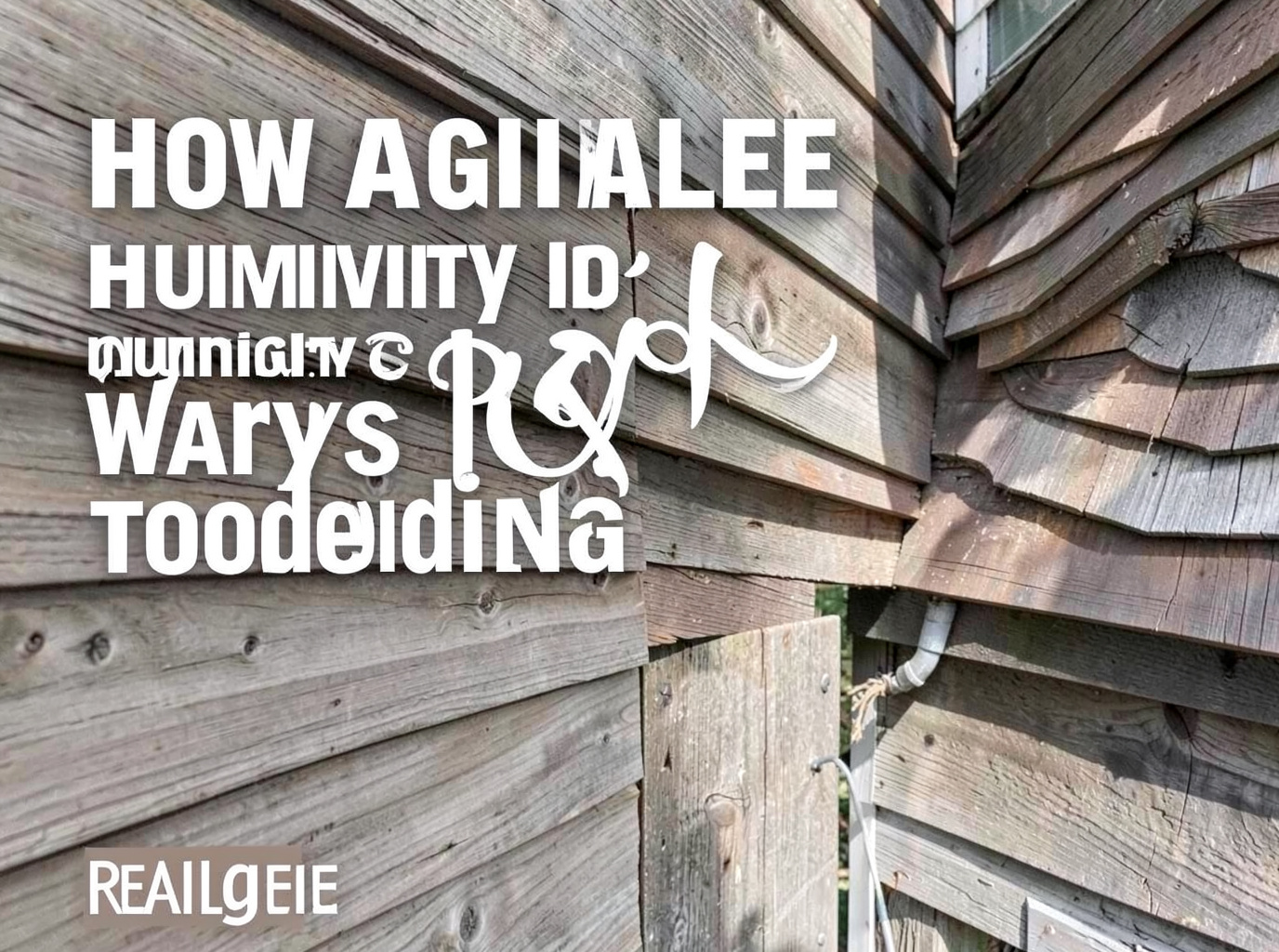
Raleigh humidity warps wood siding by driving moisture deep into the grain during long stretches of 80-plus percent relative humidity, causing fibers to expand unevenly and produce cupping, buckling or nail pops within a single humid season on many Wake County homes.
How Humidity Penetrates Wood Fibers
Raleigh sits in a humid subtropical zone where summer dew points often stay above 70 degrees for weeks. Morning fog in areas like Cameron Village and Glenwood South leaves a film of water on south-facing walls that soaks into unsealed cedar or pine. Once inside, the moisture travels along the grain until it hits a temperature change at night, then the wood swells and stays expanded. Crews working on homes built before 1960 in Oakwood and Boylan Heights routinely find paint blisters along the bottom three courses because water has wicked upward from the foundation splash zone. The same boards on the north side stay flatter because they receive less direct sun to drive evaporation. Over repeated cycles the repeated expansion loosens fasteners and creates gaps that let even more rain enter during afternoon thunderstorms common to the Triangle.
Patterns Seen in Older Raleigh Neighborhoods
Homes in Hayes Barton, Five Points and the Mordecai historic district often carry original wood siding that has absorbed decades of humidity cycles. These houses sit on clay soils that hold moisture longer after rain, keeping the lower courses damp well into the next day. Owners notice the first visible warp as a gentle bow on the third or fourth board from the ground, usually on the west elevation that receives the hottest afternoon sun. In contrast, newer construction in North Hills shows less immediate movement because builders started using primed finger-joint pine with better end-grain sealing. Still, when those homes reach eight to twelve summers the same humidity load begins to open joints at the corners near the North Carolina Museum of Art area where wind funnels between buildings.
Seasonal Timing and Practical Checks
The worst warping shows up between late July and early September after the longest run of humid days. Homeowners in Downtown Raleigh and Falls of Neuse can check for early movement by sighting down each course from the corner after a three-day stretch above 85 percent humidity. If a board no longer sits flat against its neighbor or if the paint shows hairline cracks along the grain, the siding has already taken on permanent set. Checking the same elevation again in January when humidity drops below 50 percent reveals whether the boards return to shape or remain cupped. This simple seasonal comparison helps decide whether targeted repair or full replacement makes sense before winter winds drive more water behind the warped sections.
Choosing the Next Step for Local Homes
When wood siding has warped beyond flattening, many Raleigh owners look at siding replacement to restore a flat surface and improve moisture shedding. Others explore wood siding options that include better back-priming and larger reveal spacing to allow air movement. For houses in Boylan Heights or near Pullen Park where historic appearance matters, Siding Material Choices for Older Raleigh Homes outlines compatible alternatives that still respect the neighborhood character while resisting the same humidity load. Checking boards after Triangle thunderstorms gives an additional data point before deciding on the scope of work.