2026-11-29 ·
Siding Material Choices for Older Raleigh Homes
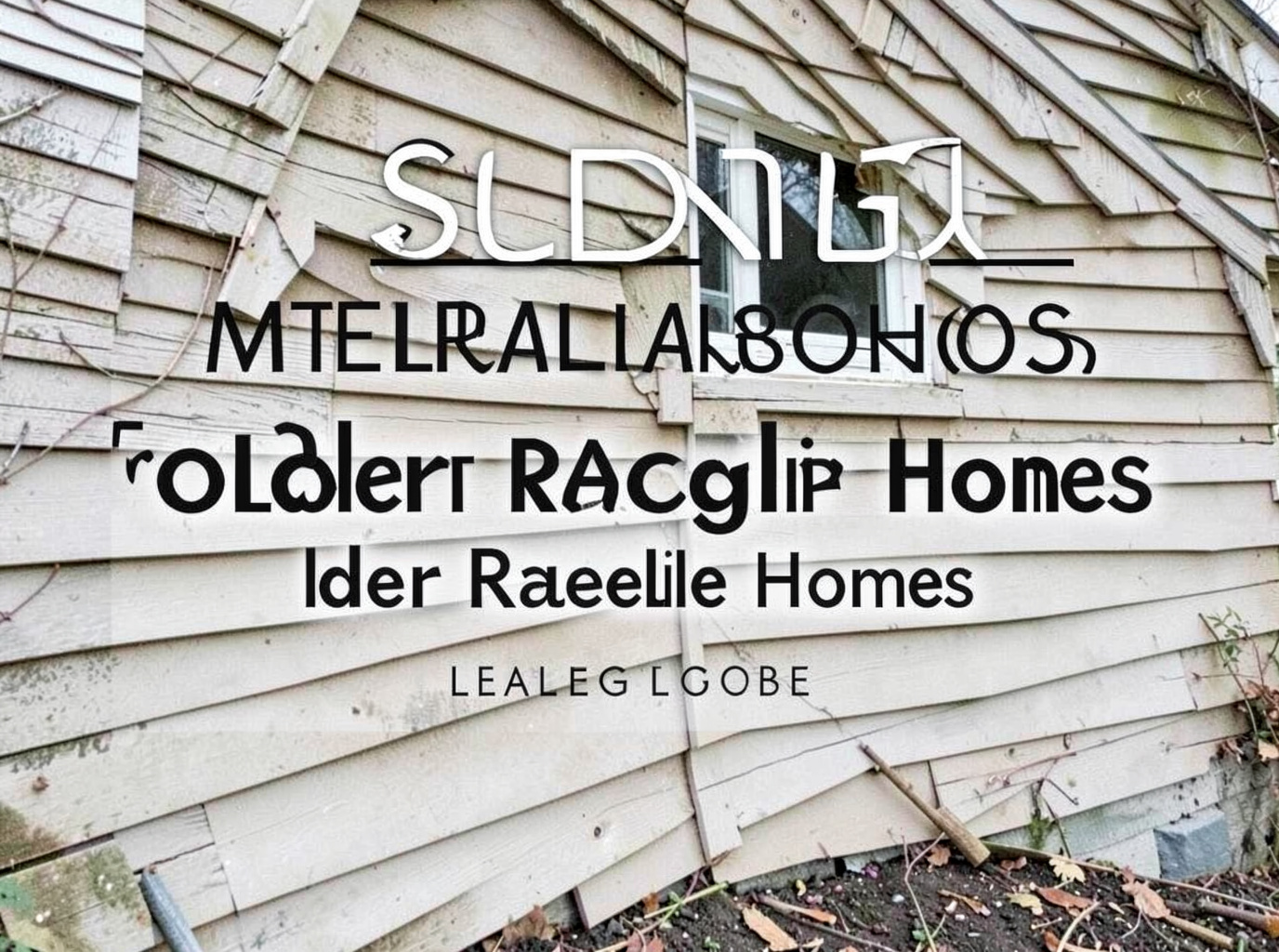
For older Raleigh homes built before 1950 in Oakwood, Boylan Heights, and Mordecai, wood siding remains the most authentic match, though many owners switch to vinyl or fiber cement after 30–40 years of exposure to Wake County humidity. These choices depend on the home's original construction, current condition, and how much maintenance the owner wants to handle during hot, humid summers.
Wood Siding in Historic Districts
Homes in Oakwood and Boylan Heights frequently retain original wood siding installed 80–100 years ago. This material expands and contracts with the area's humid subtropical climate, leading to cupping or rot near ground level after repeated mild winters. Owners who want to keep the look often choose clear-grade cedar or pine replacements, but they must plan for repainting every 8–12 years. Wood siding work here requires matching profiles found on North Carolina State Capitol-era buildings to satisfy historic guidelines. In Five Points and Hayes Barton, where many 1920s bungalows sit on slightly sloped lots, proper flashing at window sills prevents water intrusion during summer thunderstorms. Regular inspection after storms helps catch early damage before it spreads to sheathing.
Vinyl Siding for Lower Maintenance
Vinyl offers a practical upgrade for homes in Cameron Village and Glenwood South where owners seek reduced upkeep. Panels resist the constant moisture that degrades wood and come in profiles that approximate the beaded or clapboard look common on 1930s–1940s houses. Installed over existing wood on many North Hills properties, vinyl can last 25–40 years when properly vented. It handles the temperature swings between hot humid summers and mild winters without cracking as readily as older wood. Homeowners replacing siding in Downtown Raleigh often choose insulated vinyl to improve energy performance on single-wall construction. Siding replacement crews note that proper nailing and expansion gaps remain critical because the material moves more than wood during temperature changes.
Fiber Cement as a Modern Alternative
Fiber cement siding has gained ground on properties near Pullen Park and Dorothea Dix Park where owners want wood appearance without the annual painting cycle. The material withstands Wake County humidity better than wood and does not warp like cedar during prolonged summer moisture. Boards come pre-primed and accept paint that lasts 15–20 years before recoating. In areas with mature trees, such as parts of Mordecai, fiber cement resists impact from falling limbs better than vinyl. Fiber cement siding also pairs well with new soffit and fascia on homes that have undergone previous repairs. Crews working in nearby Cary and Durham report similar performance on 1940s–1950s stock, confirming its suitability across the region.
Climate and Maintenance Realities
Raleigh's humid subtropical conditions drive most material decisions for older homes. Hot, humid summers accelerate mold and mildew on wood, while mild winters allow moisture to linger rather than freeze and expand. Thunderstorms common in the Triangle can deliver high winds that test fastener strength on any siding type. How Raleigh humidity warps wood siding details the specific failure points seen on local stock. Owners in Falls of Neuse and Hayes Barton often schedule replacements during drier fall months to avoid trapping moisture behind new layers. Checking for soft spots around window trim and at the foundation line before choosing a material prevents callbacks once work begins.